Fishing With My Father | Field & Stream
📋 Table of Contents
Table of contents will be generated automatically based on article headings.
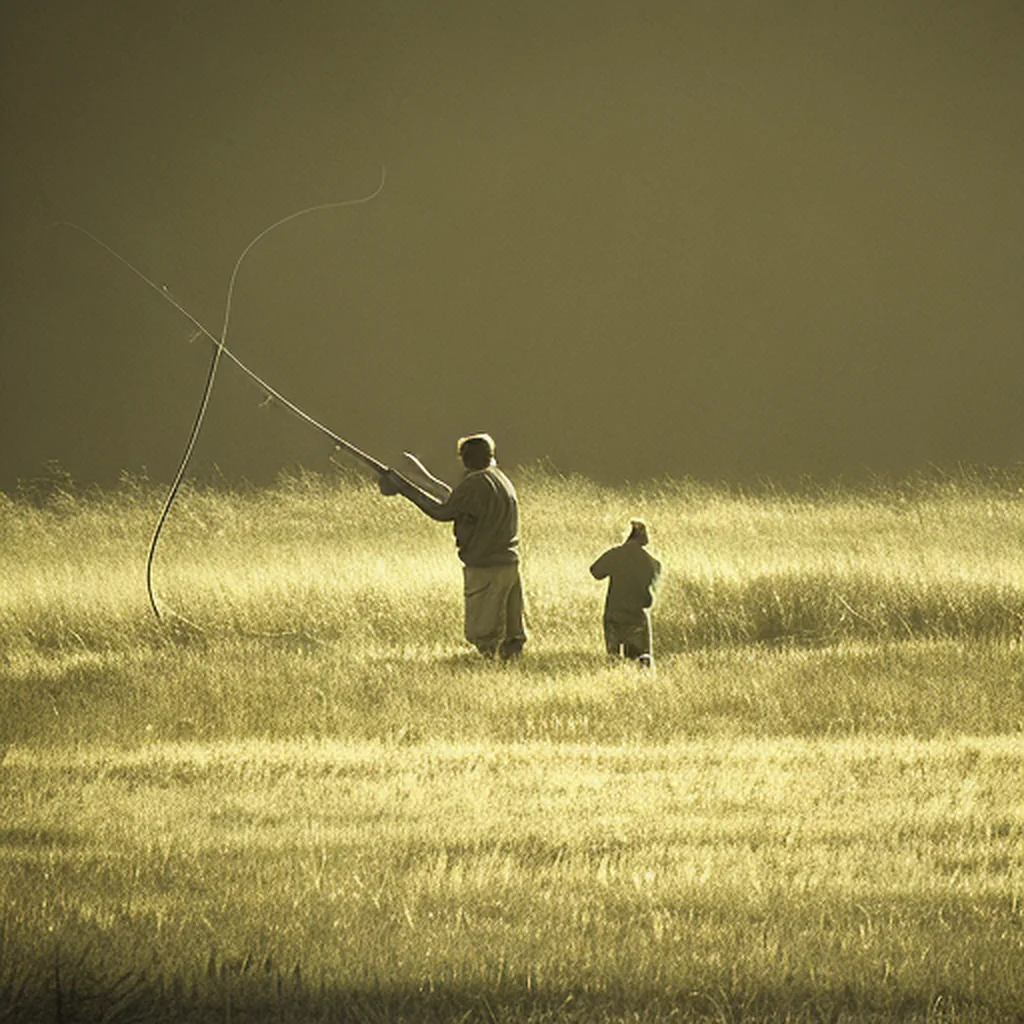
The air is thick with the smell of pine and the sweet scent of fish. The sun is low in the sky, casting long shadows. The scene is familiar, yet it’s a scene I can’t quite recall. The memory of my father’s hand on my shoulder, the gentle pressure of his grip, is a comforting presence. I can almost hear the rhythmic click of his reel, the soft splash of the line as it enters the water.
I feel a sense of accomplishment, a sense of relief. I’ve made it. I’m finally here. The river is a lifeline for the community. It provides water for drinking, washing, and irrigation. It’s a source of life, a symbol of hope, and a reminder of the resilience of the people. The river is a powerful force, capable of both creation and destruction. It can nourish and sustain, but it can also flood and erode. The river is a source of conflict as well.
I was 17 years old, and I had just finished my senior year of high school. I was supposed to be celebrating my graduation, but instead, I was faced with a life-altering event that would forever change my family’s dynamic. The family was in a state of shock. The doctors were baffled. They couldn’t explain why my father was experiencing such a rapid decline. The family was left to grapple with the uncertainty and fear of the unknown. The stroke had a profound impact on my father’s life, leaving him unable to work, unable to communicate, and unable to see. The family’s financial situation was already precarious, and the stroke added another layer of stress.
His eyes, once bright and full of life, were now dull and lifeless. The sight of him, so vulnerable and helpless, filled me with a profound sense of loss and fear. The stroke had robbed him of his speech, his ability to walk, and his independence.
The story of Mike’s father, a man who lived for sweets, is a microcosm of a larger societal trend: the increasing prevalence of sugar-related health problems. This trend is not just a matter of individual choices; it’s a reflection of a complex interplay of factors, including cultural norms, marketing strategies, and the very nature of our food system. The rise of sugar-related health problems is a global phenomenon, affecting people of all ages and socioeconomic backgrounds. It’s not just about weight gain; it’s about a range of health issues, including heart disease, type 2 diabetes, and even certain types of cancer.
That was all I needed to hear. The next morning, Dad woke up early and went to the hospital. He had been feeling unwell for a few days and had been struggling to sleep.
The next few days were a blur of medical tests, consultations, and endless rounds of medication. Dad’s condition was still fragile, but he was slowly recovering. The doctors were optimistic, but they couldn’t give a definite timeline for his full recovery. The uncertainty was a constant weight on our shoulders, but we held onto hope. The family gathered around Dad, offering their love and support. We shared stories, memories, and laughter, trying to fill the void left by his absence. We were a united front, a family, and we would get through this together. As Dad’s condition improved, he started to regain his strength.
This was a ritual that had become deeply ingrained in our lives. Every summer, we would embark on a journey to the river, a place that held a special significance for both of us. The river was more than just a body of water; it was a symbol of our shared history, a testament to our connection, and a source of endless fascination for both of us. The river held a special significance for both of us. It was a place where we could escape the pressures of everyday life, where we could simply be ourselves, and where we would often spend hours talking about everything and nothing. We would talk about our dreams, our fears, our hopes, and our aspirations.
* **Anecdotes:** The author shares personal stories about their grandson and their walk in Central Park. These anecdotes are relatable and create a sense of connection. * **Vivid Descriptions:** The author uses sensory details to paint a picture of the weather, the park, and the fishing trips.
He said he wanted to be a part of the experience, to share in the joy of the catch, and to create memories with his family. He explained that fishing is more than just a sport; it’s a way of life, a tradition, and a connection to nature. This statement reveals a deeper meaning behind his participation in the fishing trips.
I’ve always been drawn to the quiet, contemplative nature of the sport. It’s a way to escape the noise and chaos of the world, to find solace in the stillness of nature. The author’s experience with fly fishing is deeply intertwined with his parents’ divorce. The author’s love for fly fishing is a result of the peaceful and serene atmosphere that the sport provides. The author’s experience with fly fishing is a testament to the power of nature to provide solace and peace in the face of life’s challenges.
This was my coping mechanism. It was a way to manage my emotions, to avoid the pain of feeling sad or upset. It was a way to feel in control, to feel like I could handle anything. It was a way to avoid the discomfort of vulnerability. The rubber band became a symbol of my struggle. It was a physical manifestation of my anxiety and fear. It was a constant reminder of my inability to cope with the emotional turmoil I was experiencing. The rubber band was a tool, a weapon, a shield, and a symbol.
The film’s opening scene was so captivating that it immediately drew me in and set the stage for a captivating journey. The film’s narrative is centered around a young man named Finn, who is struggling to find his place in the world. He is a talented artist, but he feels lost and directionless. He is also dealing with the challenges of growing up in a small town, where everyone knows your business and there are limited opportunities.
J. Fly Shop and The Fly Shop—and I was determined to learn. The first step was to find a guide. I knew I needed someone to teach me the basics, and I was lucky enough to find a guide named John. John was a seasoned veteran of the Missouri River, and he was more than happy to share his knowledge with me. John’s first lesson was to choose the right fly. The right fly is crucial for success in fly fishing.
This was a surprisingly thoughtful gesture, considering the fact that I was a complete novice. He didn’t just hand me a book and expect me to figure it out on my own. He took the time to understand my situation and offer a resource that would help me learn. The book was a good choice.
I wanted to prove to him that I was worthy of his love, and that I could be successful in something other than soccer. The decision to pursue fly fishing was a deliberate one, a conscious effort to carve out a new space for myself. It wasn’t just about the sport itself; it was about finding a way to connect with my father on a deeper level, to build a shared experience that transcended the competitive nature of our relationship. Fly fishing offered a chance to escape the pressure cooker of soccer and to find solace in the quiet beauty of nature. It was a way to connect with something bigger than myself, something that felt more authentic to my soul.
I had been playing soccer since I was a kid, and I loved it. But the pressure of high school, the constant competition, and the expectations of my family and friends had started to weigh me down. I felt like I was losing my passion for the game. The author’s father’s decision to leave home that summer was a significant factor in his burnout.
Croix rod, a reel, and a few flies. This was a pivotal moment in my life. It was the beginning of a lifelong passion for fly-fishing. It was also a turning point in my relationship with my parents. It was a moment of shared joy and accomplishment. It was a moment of connection. The experience of buying my first fly-fishing rig was so impactful that it shaped my perspective on the art of fishing. It taught me the importance of patience, precision, and the delicate balance between nature and human intervention. It instilled in me a deep respect for the environment and the creatures that inhabit it.
He then proceeded to show me how to cast with a proper grip, posture, and technique. He explained that the most important thing was to keep your wrist straight and your elbow tucked in. He also emphasized the importance of keeping your back straight and your core engaged. The instructor then demonstrated a few different casting techniques, including the overhead cast, the roll cast, and the double haul.
He insisted on taking me. This is a story about a young man named Ethan who is pressured into going on a fishing trip with his father. Ethan has a deep passion for fly fishing, a hobby he wants to pursue alone. He wants to experience the solitude and connection with nature that fly fishing offers. However, his father, a seasoned angler, insists on taking him on a fishing trip, despite Ethan’s reservations. Ethan’s father, a man of strong opinions and a traditional approach to fishing, sees Ethan’s desire to fly fish alone as a sign of rebellion.
The river was a clear, blue ribbon cutting through the forest. It was so peaceful and serene that I felt like I was in a dream. The air was fresh and clean, and the sunlight filtering through the trees created a dappled effect on the path.
I was a novice, and the river was a wild, unpredictable beast. The river was a powerful force of nature, and I was just a tiny speck in its vast expanse. The first few sessions were a humbling experience. I was constantly battling with the line, the rod, and the water. I felt like a clumsy, awkward figure, struggling to cast my line with any semblance of accuracy. My flies were often tangled, and my retrieves were erratic. I was frustrated, and I felt like I was making no progress. However, I persisted.
This is a powerful and evocative passage that captures the essence of a struggle with inner turmoil. The author’s struggle with fly fishing, a seemingly peaceful and enjoyable activity, becomes a metaphor for the larger existential crisis they are facing. The passage highlights the following key themes:
**1. Existential Crisis:** The author’s struggle with fly fishing reflects a deeper existential crisis, a sense of meaninglessness and purpose in life. The seemingly effortless nature of fly fishing, which is often associated with tranquility and connection with nature, becomes a source of frustration and despair. This frustration is compounded by the fact that the author’s life is already “so damn good,” making the struggle even more perplexing. **2.
The reality is, even with the best intentions, catch-and-release fishing can be a complex and challenging endeavor. It requires a deep understanding of the fish’s biology, behavior, and the specific conditions of the river. It demands a delicate balance between respecting the fish’s life and ensuring its survival. It’s not just about releasing the fish back into the water; it’s about understanding the impact of our actions on the ecosystem. The challenge of catch-and-release fishing is further compounded by the fact that it’s often practiced in the face of human pressure. We are surrounded by a culture that glorifies the trophy catch, the biggest, the most impressive, and the most challenging.
I was sitting in the park, watching the water flow over the rocks, and I saw him in my mind’s eye. He was fishing, his rod bent, his face lit by the sun. I could almost hear the gentle splash of the water as he cast his line. It was a peaceful scene, and I felt a sense of calm wash over me. This memory, like many others, is a window into the life of my father.
I was in a hospital room, surrounded by people, but I couldn’t see them. I could only hear their voices, muffled and distant. I felt a sense of dread, a feeling of being trapped. I woke up in a panic, my heart racing.
I’m not sure if it was the lack of experience or the fact that I’ve always been a bit of a dreamer, but I’ve never been able to connect with the practical side of fishing. The dream, however, was a powerful reminder of the importance of communication. It was a stark contrast to the reality of my fishing trips, which were often filled with silence and frustration. The dream, with its vivid imagery and emotional resonance, served as a catalyst for reflection and introspection. It forced me to confront the unspoken words and the missed opportunities for connection.
He had a private boat, a luxurious one, and he was taking me to a secluded spot on Lake Michigan. He was a man of means, and he was showing me the world. George was a successful businessman, a man of ambition and drive. He had built his empire from the ground up, starting with a small business and working his way up to the top.
The photo was a beautiful, clear image of the trout, and it was the first time I’d ever seen a trout up close. This experience was a turning point in my life. It sparked a lifelong passion for fishing and a deep appreciation for the natural world. It was a moment of pure joy and wonder, and it left a lasting impression on me. The photo itself was a reminder of that moment, a tangible representation of the joy and wonder I felt. It was a tangible reminder of the beauty of nature and the simple pleasures of life.
* **The Significance of the Fish:** The author’s focus on the single trout caught with George is significant. It highlights the importance of the experience itself, not just the quantity of fish caught.
He was in a panic, his voice trembling. He told me about a new development in the family. A distant relative, someone he hadn’t spoken to in years, had passed away. This news, delivered with a heavy heart, was a stark contrast to the joy I felt when I saw my son’s eyes. The contrast between the two emotions, the joy and the grief, was so stark that it made me realize how fragile life is.
That I’d always been aware of the truth. This realization brought a sense of clarity and peace. It was as if a heavy burden had been lifted. The truth, once hidden, was now visible. The veil of deception had been lifted, and I could finally see the man I’d always known. The revelation was a turning point in my relationship with my father. It allowed me to see him in a new light, with a newfound appreciation for his character and actions.
This unexpected encounter, a chance meeting with a fly fisherman, was a moment of serendipity. It was a reminder that even in the most mundane of activities, like fishing, there are unexpected connections and opportunities for meaningful interactions. The angler, who introduced himself as John, explained that he was a seasoned fly fisherman with a passion for the sport. He shared his knowledge of the river, its currents, and the fish that inhabited it. John’s passion for fly fishing was evident in his every word and action. He spoke with a quiet intensity, his eyes sparkling with a deep understanding of the water and its inhabitants. John’s knowledge of the river was impressive.
The author describes a personal experience of fishing and the emotions it evokes. The author’s experience highlights the thrill of catching a trout, the tension of the fight, and the satisfaction of landing a fish. The author also mentions the beauty of the fish and the joy of admiring their colors and spots. **Detailed Text:**
The author’s words paint a vivid picture of a simple yet profound fishing experience. The thrill of watching a trout rise to a meticulously cast dry fly is a testament to the artistry of fly fishing.
We’ve been on the road together, literally and figuratively, for as long as I can remember. We’ve shared countless experiences, both good and bad, and built a bond that transcends the miles and the years. This bond is a testament to the power of shared experiences, the importance of family, and the enduring nature of love.
I’m not sure why. I’m not sure why I’m still fishing. This is a powerful and moving piece of writing that explores themes of father-son relationships, the passage of time, and the enduring power of memory.
I go for the quiet. I go for the challenge. I go for the beauty of the water. I go for the art of casting. I go for the connection with nature. I go for the peace.
It’s a question that has been on my mind for a long time. The author’s journey to becoming a fly fisherman began at a young age, with a memorable encounter with a Missouri rainbow trout. This encounter sparked a lifelong passion for the sport. The author’s current fishing routine involves solo trips to a specific stretch of river, where he has developed a deep connection with the water and its inhabitants.
The smaller brown trout was a perfect specimen, a testament to the river’s health. Its size, its color, and its markings were all indicative of a healthy ecosystem. The larger brown trout, on the other author’s hand, was a trophy, a symbol of the river’s resilience. The author’s experience highlights the importance of both small and large fish in a healthy ecosystem.
I just wanted to see what the fish were doing. The water was clear and cold, and the air was crisp. The sun was shining, and the river was teeming with life. It was a beautiful day. I cast my fly into the current, and the line went out with a smooth, effortless motion. The fly landed softly on the water, and I waited patiently.
The author reflects on a scene at his home waters, a place of both peace and sorrow. He describes the river as a source of life and a place of loss, highlighting the conflicting emotions he experiences.
The man, who was sitting on the dock, looked at me with a mixture of amusement and concern. He was a tall, lean figure with a weathered face and a pair of worn-out fishing boots. His eyes, though, were the most striking feature, piercing and intelligent.

news is a contributor at How To Guide. We are committed to providing well-researched, accurate, and valuable content to our readers.
You May Also Like


Related Articles


