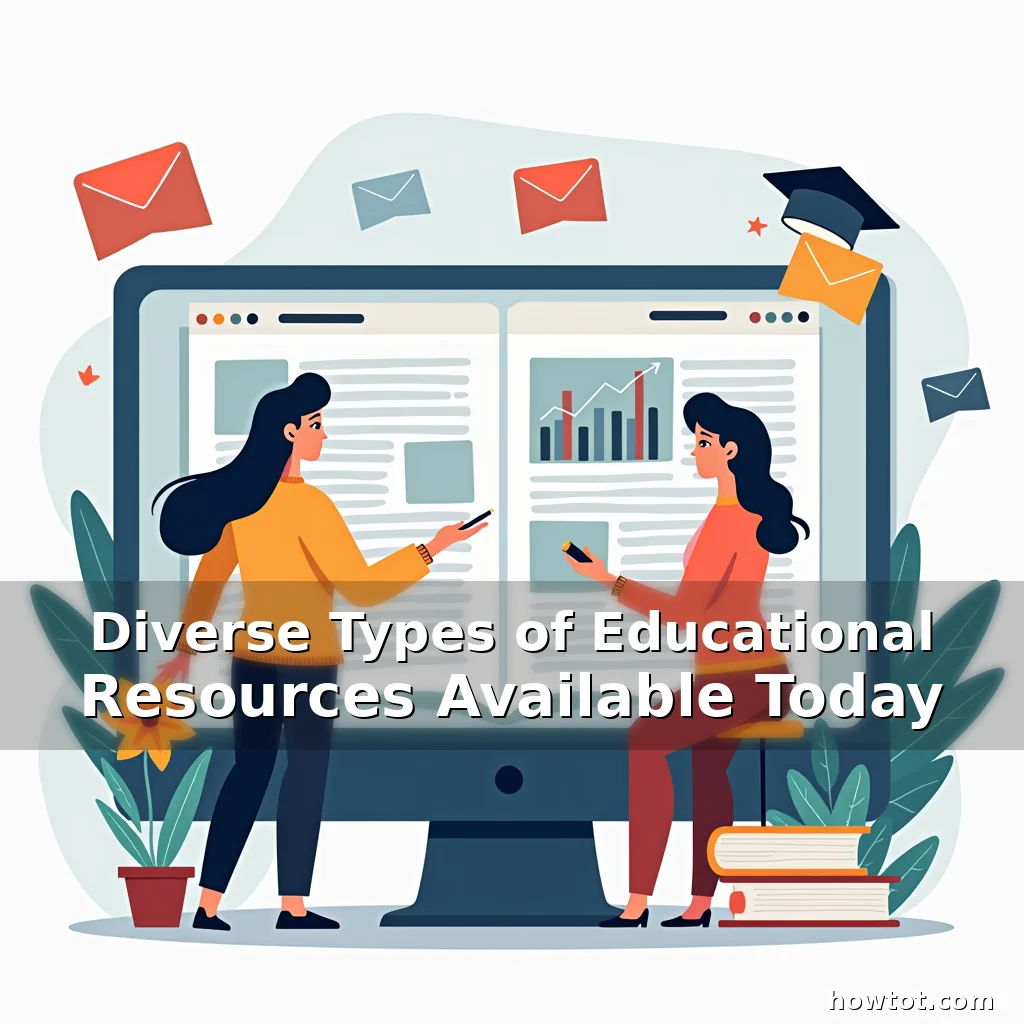
Diverse Types of Educational Resources Available Today
📋 Table of Contents
Table of contents will be generated automatically based on article headings.
The Ultimate Educational Resource Hub: Empowering Lifelong Learning and Skill Development
In an era where knowledge is power and continuous learning shapes personal and professional success, access to quality educational resources has never been more critical. Whether you’re a student aiming to excel academically, a working professional seeking upskilling opportunities, or someone passionate about self-improvement, finding reliable sources of information can be both challenging and overwhelming.
This comprehensive guide explores the vast landscape of educational resources available today, from traditional textbooks and classroom settings to innovative online platforms and interactive tools that cater to diverse learning styles and goals. By understanding these options, individuals can make informed decisions about their educational journeys and unlock new possibilities for growth and achievement.
Diverse Types of Educational Resources Available Today
Educational resources encompass a wide range of materials designed to support effective learning experiences across various subjects and disciplines. These include physical books, digital publications, multimedia presentations, hands-on experiments, virtual simulations, and collaborative projects among others.
Traditional print-based materials such as textbooks remain essential components in many academic curricula due to their structured approach towards teaching complex topics systematically over time. However, technological advancements have introduced dynamic alternatives that enhance engagement through interactivity while maintaining pedagogical rigor.
- Online Courses: Platforms like Coursera offer accredited programs developed by top universities worldwide allowing learners access to expert instruction at flexible schedules without geographical constraints.
- Interactive Tutorials: Websites providing step-by-step guides combined with quizzes help reinforce comprehension levels significantly higher than passive reading alone could achieve.
Choosing Quality Over Quantity When Selecting Materials
Selecting appropriate educational resources requires careful consideration based on individual needs rather than simply opting for what appears most popular or accessible initially. Factors such as credibility of authors/institutions behind content creation play crucial roles in determining effectiveness of chosen materials.
Authenticity verification processes become particularly vital when dealing with free open-access material found across numerous websites claiming expertise but lacking proper validation mechanisms ensuring accuracy standards are met consistently.
Verifying Credibility Through Institutional Affiliations
Many reputable institutions provide publicly verifiable credentials confirming authenticity status upon request via official channels associated directly with them. This includes university-affiliated portals listing certified faculty members who contribute regularly updated course offerings aligned closely with current industry trends.
Such affiliations serve dual purposes; they assure users regarding reliability aspects related to factual correctness within presented material plus ensure relevance maintained even amidst rapidly evolving fields requiring constant updates.
Leveraging Technology For Enhanced Learning Experiences
Technological innovations continue reshaping modern education landscapes offering unprecedented flexibility convenience accessibility previously unimaginable under conventional systems confined strictly within brick-and-mortar classrooms walls.
Virtual reality applications enable immersive explorations inside historical sites scientific laboratories artistic masterpieces etc., thereby transforming abstract theoretical concepts into tangible experiential realities enhancing memory retention rates considerably compared to standard lecture formats.
Artificial intelligence-driven personalized tutoring solutions analyze user performance data dynamically adjusting difficulty levels real-time according to learner progress monitoring gaps identifying areas needing extra attention suggesting targeted interventions automatically.
Bridging The Gap Between Formal And Informal Education Systems
While formal schooling structures follow standardized syllabi assessed through examinations measuring proficiency against predetermined benchmarks informal methods emphasize practical skill acquisition through project-based activities fostering creativity problem-solving abilities teamwork competencies valued highly beyond mere grade point averages.
Hybrid models integrating elements from both approaches create balanced ecosystems promoting holistic development catering simultaneously toward cognitive analytical skills alongside emotional social interpersonal competencies equally important aspects contributing overall human potential realization.
Fostering Collaboration Across Diverse Learner Communities
Modern digital spaces facilitate cross-cultural exchanges enabling participants globally connect share perspectives collaborate virtually regardless spatial limitations once considered insurmountable barriers hindering meaningful interactions among geographically dispersed groups pursuing common objectives together.
These collaborative environments encourage peer-to-peer mentoring relationships forming organic networks supporting mutual encouragement accountability shared responsibility towards achieving collective targets reinforcing intrinsic motivation driving sustained commitment necessary long-term mastery attainment.
Cultivating A Culture Of Continuous Improvement Within Organizations
Businesses increasingly recognize value embedded within employee development initiatives investing heavily training modules certification courses workshops seminars aimed upgrading workforce capabilities aligning organizational vision strategic goals effectively translating theoretical knowledge practical application scenarios daily operations seamlessly.
Leadership plays pivotal role championing lifelong learning ethos establishing cultures valuing curiosity experimentation innovation rewarding employees demonstrating initiative taking ownership extending themselves professionally personally beyond minimum requirements expected merely job descriptions.
Support Networks Enhancing Access To Educational Opportunities
Community organizations libraries non-profits often act as bridges connecting underserved populations deprived adequate infrastructure financial means otherwise unable afford expensive private tutors exclusive memberships restricted institutional gatekeeping practices prevalent elitist sectors excluding marginalized communities permanently locked outside circles influence power traditionally dominated privileged few.
Through partnerships leveraging collective strengths pooling resources strategically allocating funding efficiently maximizing impact reach greatest number beneficiaries possible simultaneously addressing systemic inequities perpetuated historical disparities disadvantaging certain demographic segments disproportionately affected socio-economic challenges limiting upward mobility prospects indefinitely.
Promoting Inclusivity Through Adaptive Teaching Methods
Educators must adopt inclusive strategies acknowledging diversity inherent every classroom adapting instructional techniques accordingly respecting cultural backgrounds varying learning paces different cognitive processing speeds ensuring equitable participation opportunities irrespective differences existing among students present therein.
Implementing universal design principles allows creating universally accessible content benefiting everyone including those facing temporary permanent disabilities guaranteeing nobody left behind during formative developmental stages critically shaping future trajectories.
Measuring Effectiveness Of Implemented Strategies
Assessments serve dual purpose evaluating student progress tracking efficacy measures adopted methodologies gauging whether intended outcomes achieved successfully identifying areas requiring adjustment refinement improving continuously enhancing quality assurance protocols governing entire educational ecosystem sustainably.
Data analytics tools provide granular insights revealing patterns behaviors preferences helping tailor customized recommendations aligning perfectly with individualized needs aspirations facilitating precise interventions leading optimal results consistently measurable quantifiably.
Conclusion
The world of educational resources offers endless possibilities for anyone committed to expanding their knowledge base acquiring new skills advancing careers enriching lives meaningfully. With so many choices available now more than ever before selecting wisely becomes paramount factor influencing ultimate success levels attained ultimately.
By embracing variety staying adaptable leveraging technology building supportive networks prioritizing inclusivity focusing always on measurable improvements we empower ourselves transform our communities realize full potential humanity collectively. Let’s embark on this journey together exploring discovering growing continually driven passion pursuit excellence defined uniquely each person’s path forward.

news is a contributor at How To Guide. We are committed to providing well-researched, accurate, and valuable content to our readers.
You May Also Like